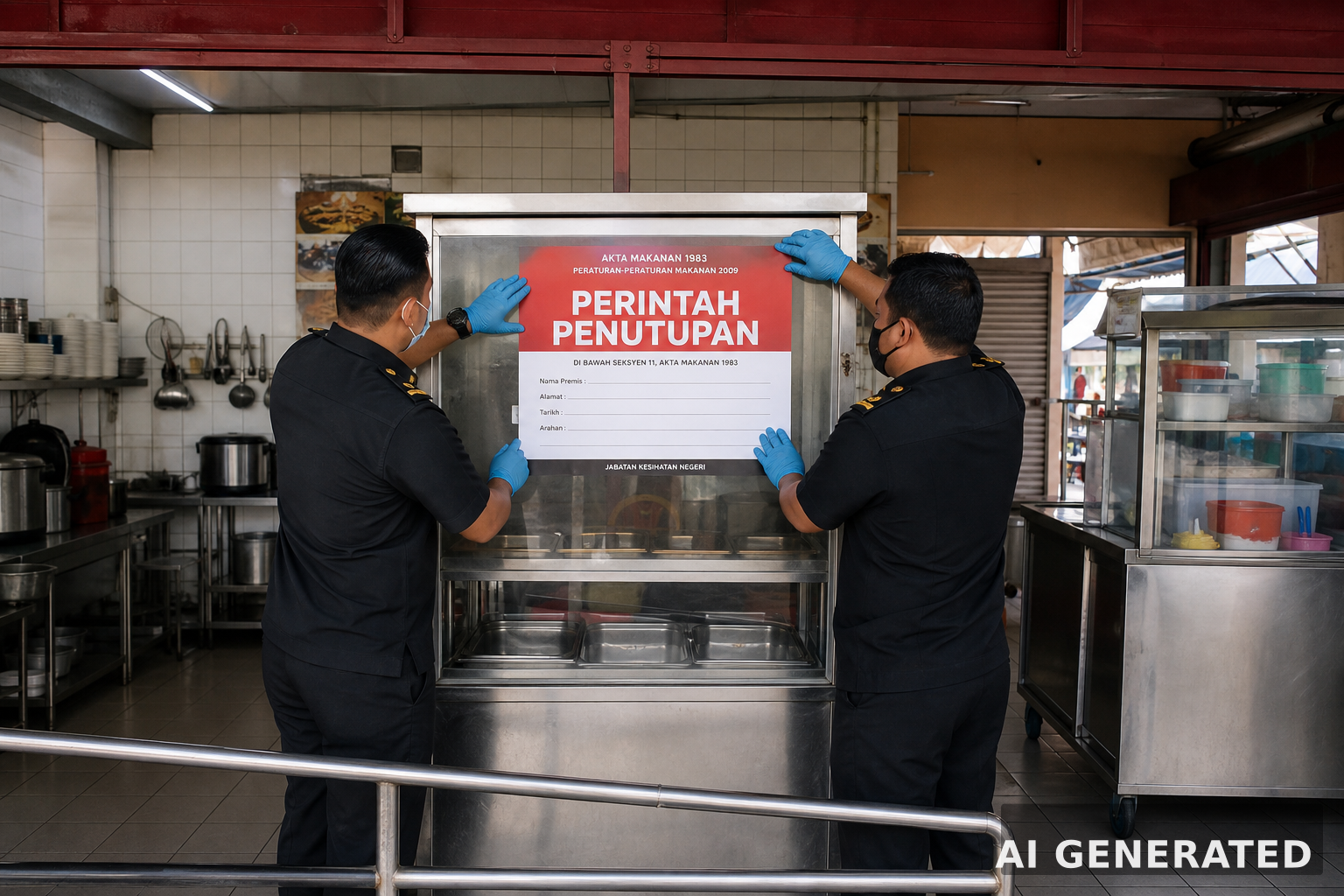
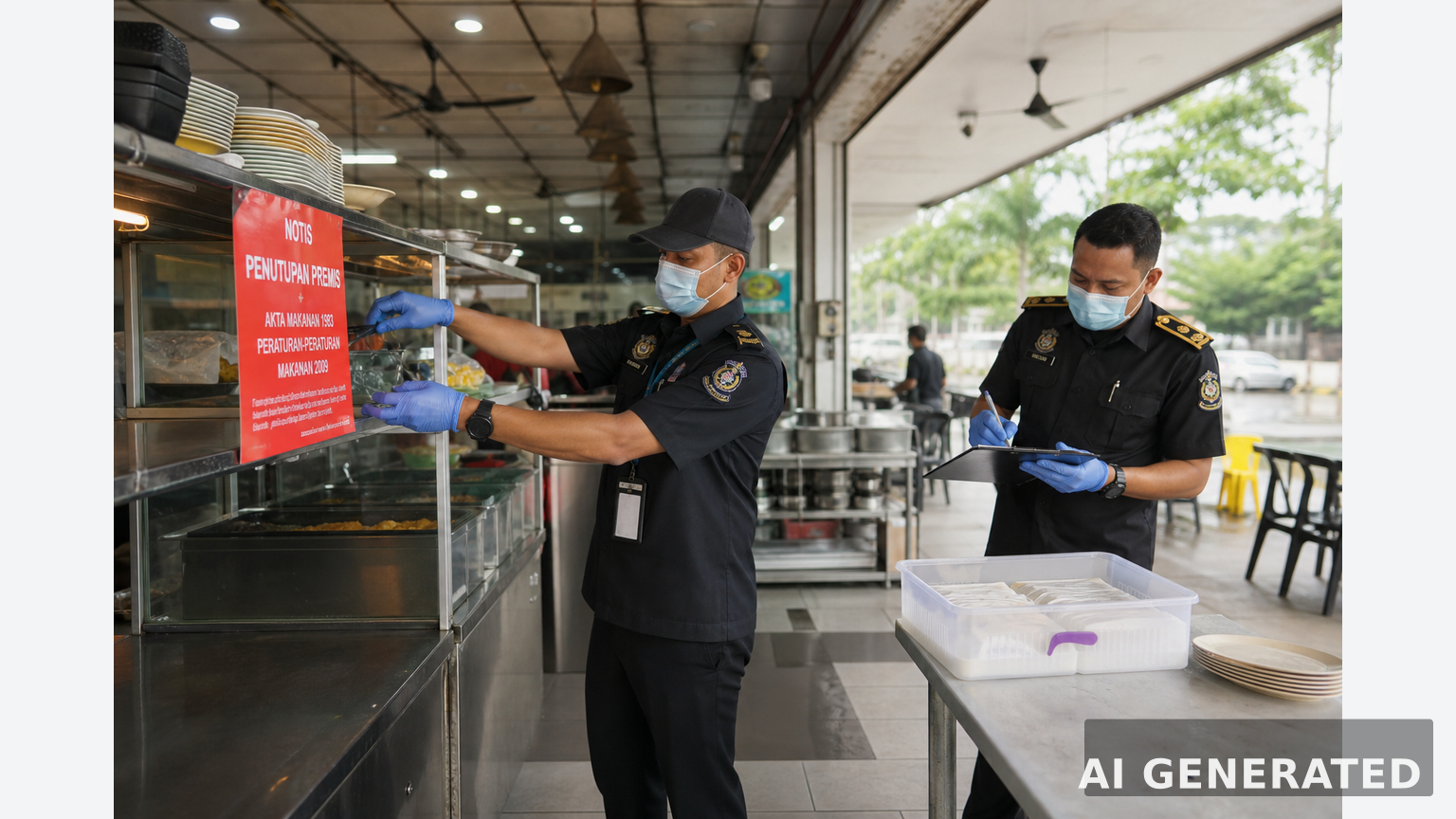
Many individuals assume closures occur solely due to pests like rats or cockroaches. However, it identifies several other contributing factors, including unclean kitchens, unvaccinated food handlers against typhoid, cross-contamination, and improper food storage temperatures.
Areas that are not visible to customers, such as kitchens, refrigerators, cutting boards, and the hand hygiene of employees, are often significant sources of food poisoning risks. Even if food appears to be clean, there is still a possibility for bacteria to grow, which can lead to symptoms such as diarrhea, vomiting, fever, and stomach pain, particularly affecting vulnerable populations. The closures of food establishments serve as a preventative measure for public safety rather than merely punitive actions.
The importance of daily hygiene maintenance in food establishments and encourages customers to be vigilant about hygiene indicators before selecting their meals. This focus on cleanliness and safety is crucial in preventing foodborne illnesses and ensuring a safe dining experience for the public.