
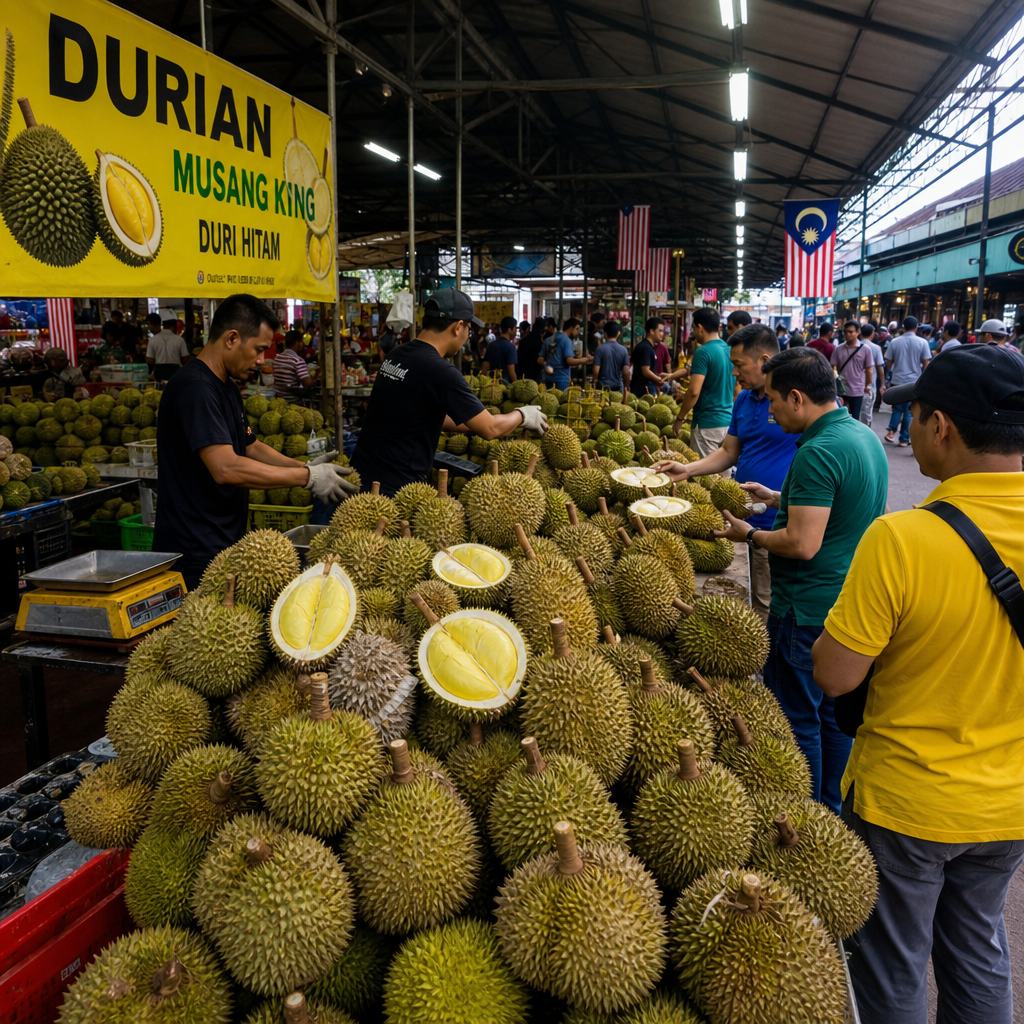
In the initial six months of 2026, durian imports into China experienced a remarkable surge of 47% compared to the same timeframe in the prior year. This rise was primarily driven by excess stock from Southeast Asian suppliers, including Thailand and Malaysia, following a drop in durian prices. Data from Chinese customs revealed that Thailand exported approximately US$3.79 billion worth of durians to China during this period, capturing 81% of the market share.
Vietnam ranked second in the durian export sector in the first half of 2026, with exports valued at around $846 million, representing 18% of the total durian imports into China. Despite this, Thai durians continue to be favored by Chinese consumers, largely due to a strong logistics and quality-control system that bolsters the fruit’s reputation. Vietnam has also ramped up its durian exports to China since obtaining approval to ship fresh durians in 2022, although it has encountered some quality control challenges.
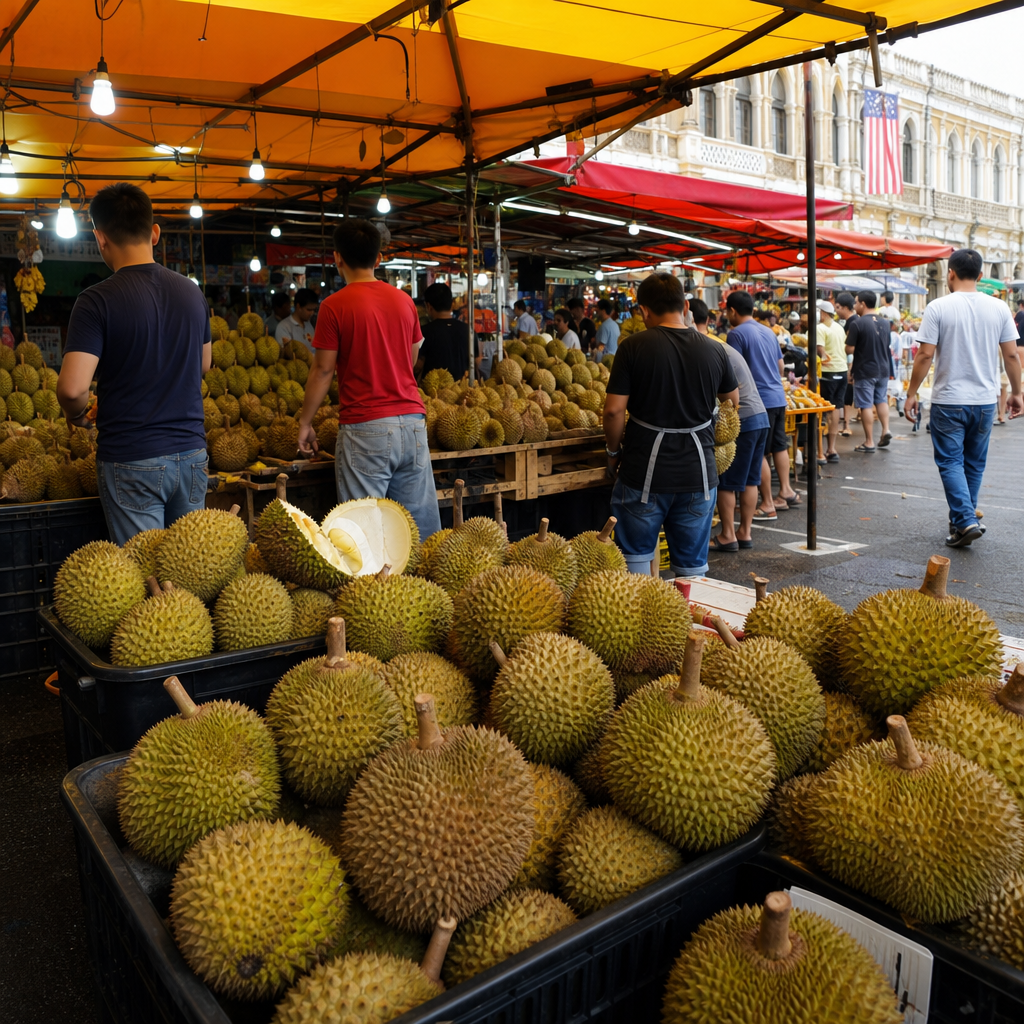
Malaysia, a recent entrant to China’s fresh durian market, exported about $30.26 million worth of durians in the first half of 2026, reflecting an impressive 342% increase from the same period the previous year. Overall, the total volume of durian imports from all nations reached 1.07 million tonnes in the first half of 2026, rising from 708,000 tonnes during the same period a year prior. Improvements in services along the China-Laos Railway and the expansion of Chinese e-commerce platforms have significantly facilitated the export of Southeast Asian durians to China, which is the largest market globally and accounts for 90% of worldwide durian consumption.
Currently, durian producers in Malaysia, Thailand, and Vietnam are facing an oversupply situation due to the peak harvesting season, as orchards are operating at full capacity and output growth is outpacing demand. Despite the strong long-term demand from China, a mismatch has been observed, with production not keeping up with demand, leading to a decline in durian prices during the peak season. Malaysian officials are seeking authorization from China’s General Administration of Customs to establish a land-based shipping route to address the oversupply issue.
In China, durian prices have notably decreased by 14% to 20%, driven by factors such as increased supply from various sources, high inventory levels, and cautious consumer spending. What led to the notable rise in China’s durian imports? The influx of durians from Southeast Asian exporters, facilitated by lower prices, resulted in a higher supply to China.
Which nation stands as the top exporter of durians to China? Thailand holds the position of the largest exporter, supplying roughly 81% of China’s durian imports in the first half of 2026. What factors are contributing to the decline in durian prices in China?
The drop in durian prices in China can be linked to heightened supply from multiple countries, elevated inventories, and more reserved consumer spending. Check your inbox or spam folder now to confirm your subscription on our Retail News.
July 24, 2026